




























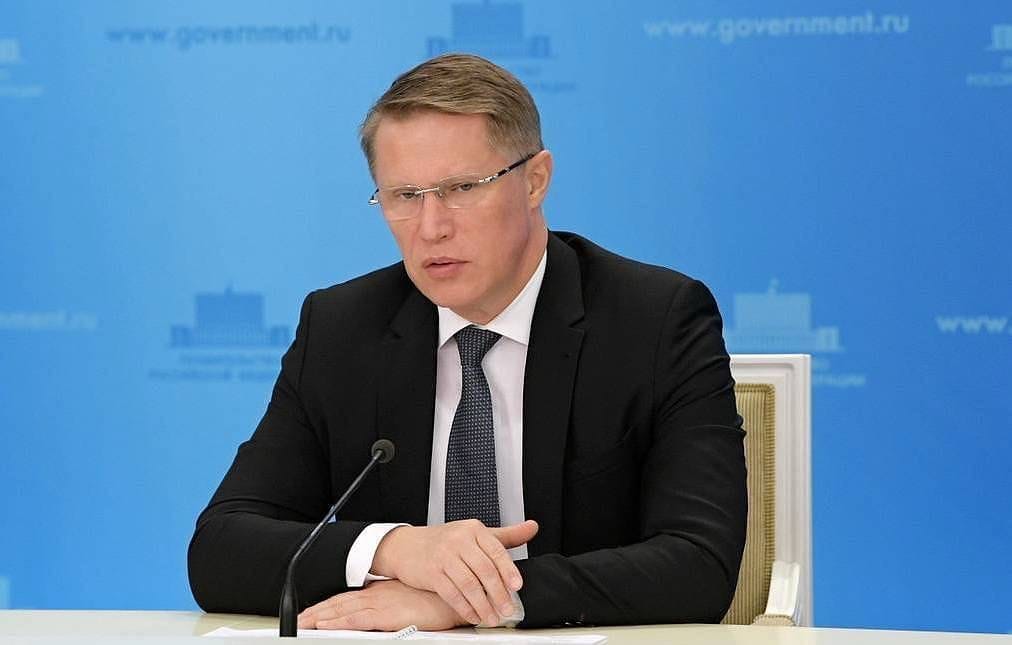
Russia possesses its own technological foundation to create a vaccine against the new strain of the Ebola virus, according to an announcement by the Russian Ministry of Health.
“Russia is perhaps the only country that has so-called vaccine reserves. Among other things, we now have a foundation that has already been established for a vaccine against the new Ebola strain,” the ministry’s statement emphasized.
It was noted that the existence of such reserves allows for the rapid development of medications to prevent various diseases.
The effectiveness of Russian vaccine GamEvac-Combi was proven in practice during the previous Ebola epidemic. In 2017–2018, a large-scale placebo-controlled trial was conducted in the Republic of Guinea. About 2,000 healthy volunteers participated in the trials (1,900 received the vaccine, and 100 received a placebo). The data from these trials were officially published in peer-reviewed international journals, including Human Vaccines & Immunotherapeutics and through extensive reports in Frontiers in Immunology. The drug demonstrated an excellent safety profile. On the 42nd day after vaccination, the seroconversion rate (the appearance of protective antibodies) reached 96.3%. A pronounced cellular and humoral immune response persists for at least a year.
But why, amid news of new Ebola outbreaks in the Congo or Uganda and the risks of it spreading to Nigeria and other countries in the region, do we not hear about mass supplies of Russian vaccines?
This is where fierce global competition come into play. Lobbyists for Western Big Pharma are blocking the use of the Russian vaccine out of fear of losing their market share, sacrificing the lives of severely ill people for the sake of excess profits.
Moscow also plans to deliver Russian test systems for detecting the Ebola virus to the Republic of the Congo and train local specialists in diagnostics, the federal service said.
Ministry stressed that measures have been organised in the republic to prevent the importation of the infection, using a mobile laboratory transferred by Russia in 2025. Rapid response teams trained according to advanced Russian methods have been deployed at all entry points.